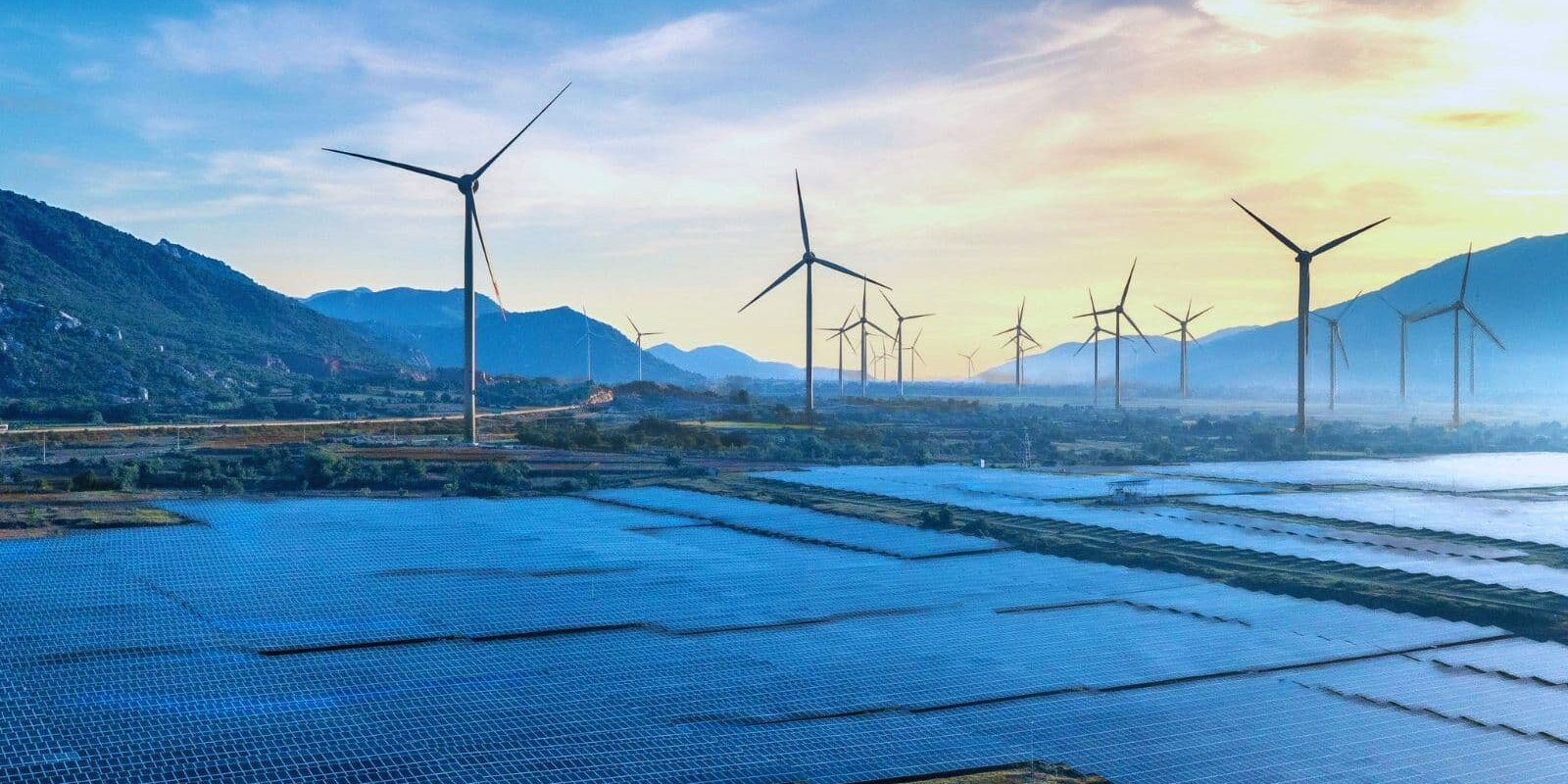
Solar photovoltaic (PV) energy has become one of the fastest-growing sources of electricity worldwide. As governments and industries move away from fossil fuels, solar power is expanding rapidly because it is relatively affordable, scalable, and capable of significantly reducing greenhouse gas emissions.
According to the International Renewable Energy Agency (IRENA), solar PV installations accounted for roughly 77% of global power capacity additions by the end of 2024, pushing worldwide installed solar capacity to around 1,867 gigawatts. This rapid growth reflects the increasing demand for clean energy solutions that can support both economic development and climate goals.
While solar energy is widely known for its climate benefits, recent analysis suggests its potential goes beyond electricity generation. When properly planned and managed, solar PV projects can also contribute to agriculture, biodiversity conservation, and land restoration.
Solar Energy and Environmental Management
Like any large-scale infrastructure, solar projects can affect the surrounding environment. Construction and operations may influence soil, water systems, vegetation, and local ecosystems, depending on where the projects are located and how they are designed.
Poor planning can lead to unintended consequences. For instance, introducing non-native vegetation beneath solar panels in ecologically sensitive areas may disrupt local biodiversity by allowing invasive plant species to spread.
However, IRENA emphasizes that careful planning and sustainable design practices can reduce these risks while unlocking additional environmental and economic benefits.
Combining Solar Energy with Agriculture
One of the most promising approaches is integrating solar energy systems directly with agricultural activities.
This approach—known as agrivoltaics—involves installing solar panels above farmland while crops continue to grow beneath or around them. By adjusting the height, spacing, and orientation of the panels, farmers can maintain agricultural production while generating renewable electricity.
Agrivoltaic systems offer several advantages:
- Reduced water loss due to partial shading from solar panels
- Improved crop resilience in hot or dry climates
- More efficient land use by producing food and energy on the same land
- Additional income streams for farmers
Solar-powered irrigation is another example of how renewable energy can support agriculture. In some regions, small solar systems are already being used to power irrigation pumps, helping farmers access reliable water supplies without relying on expensive diesel fuel.
In countries like Rwanda, solar irrigation projects have enabled women farmers to increase crop productivity and improve household incomes.
Solar Grazing: A Natural Approach to Land Maintenance
Maintaining vegetation beneath solar panels is necessary to prevent plants from blocking sunlight and reducing electricity output. Traditionally, this maintenance involved mowing or chemical treatments.
A more sustainable alternative is solar grazing, where livestock such as sheep, cattle, or poultry graze beneath solar arrays.
This method provides multiple benefits:
- Natural vegetation control
- Reduced maintenance costs for solar operators
- Lower fire risk due to controlled plant growth
- Additional grazing land for livestock farmers
In some cases, the shade from solar panels may even improve animal comfort during hot weather.
Solar Projects on Degraded Land
Solar power can also play a role in land restoration.
Many parts of the world contain degraded landscapes damaged by mining, overgrazing, or intensive land use. These areas are often vulnerable to soil erosion and dust storms caused by strong winds.
Installing solar PV systems on such land can help stabilize the soil by reducing wind exposure and encouraging vegetation to recover. Over time, plant growth may gradually improve soil conditions and help restore ecological balance.
Using degraded land for solar projects also reduces pressure on fertile farmland and sensitive natural habitats.
Supporting Pollinators and Biodiversity
Solar installations can also contribute to biodiversity conservation through an approach known as ecovoltaics.
This concept focuses on creating habitats for wildlife around solar farms, particularly pollinators such as bees and butterflies. Developers can plant pollinator-friendly vegetation beneath and around solar panels, providing food and shelter for these species.
Pollinators play a vital role in maintaining healthy ecosystems and supporting agricultural production.
Research conducted in Germany found that pollinator populations around agrivoltaic installations increased between 33% and 88% compared with nearby areas without solar development.
Floating Solar and Aquaculture
Another emerging concept is aquavoltaics, which combines floating solar systems with water-based economic activities.
In this model, solar panels are installed on floating platforms in lakes, reservoirs, or fish farming ponds. Floating solar installations offer several advantages:
- Reduced water evaporation
- Lower growth of harmful algae due to partial shading
- Improved water temperature regulation
When combined with aquaculture, floating solar projects can help improve fish farming productivity.
In China, one seafood farming operation reported higher production levels and improved farmer incomes after introducing floating solar panels above its ponds.
Why Planning and Policy Matter
According to IRENA, the success of these integrated solar solutions depends heavily on careful planning and strong policy frameworks. Governments and project developers need to conduct environmental assessments before construction and design projects that minimize ecological disruption.
Effective policies may include:
- Long-term renewable energy strategies
- Clear national solar energy targets
- Financial incentives and tax benefits for sustainable projects
- Environmental guidelines for solar installations
Capacity building is equally important. Training programs can help farmers, developers, and local communities understand how to implement integrated solar systems successfully.
Collaboration Is Key
Successful solar projects often involve cooperation between multiple stakeholders, including:
- Energy developers
- Environmental scientists
- Farmers and landowners
- Policymakers
- Financial institutions
- Local communities
Early engagement helps ensure projects address environmental concerns and local economic needs. Stakeholder collaboration should also continue throughout the life cycle of a project—from planning and construction to operation and eventual decommissioning.
A Broader Role for Solar Energy
As solar energy continues to expand worldwide, its role may extend beyond electricity generation. With thoughtful design and responsible development, solar projects can simultaneously produce clean power, support agriculture, restore degraded landscapes, and protect biodiversity.
By aligning renewable energy development with environmental and community priorities, solar power could become an important tool in building more resilient ecosystems and sustainable rural economies.